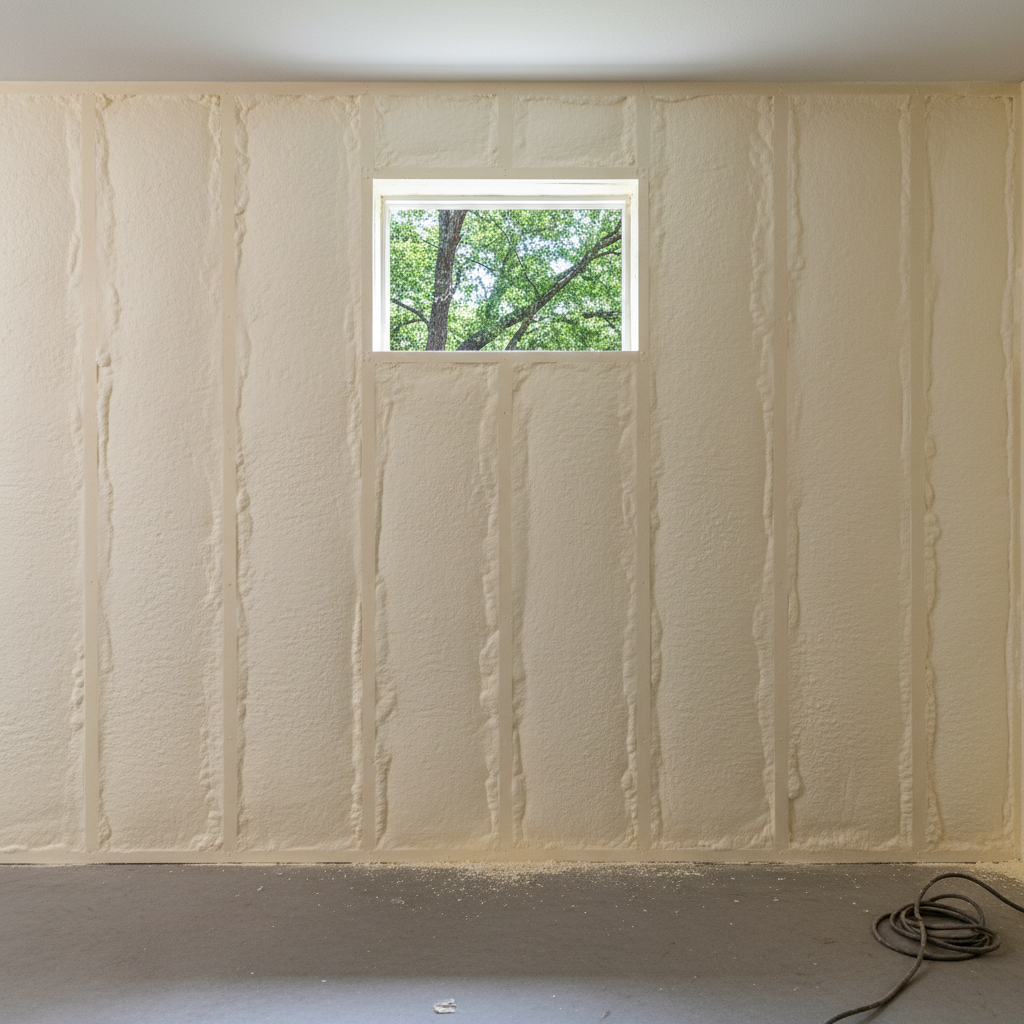
Basements are a bit of a mixed bag here in New Braunfels. Not everyone has one, but if you do, you know how crucial good insulation is. It keeps things cool in the summer and can help ward off that damp, musty smell our humid Texas air just loves to bring. You've invested in insulating that space, so let's talk about how you keep it working hard for you for years to come.
Extending Your Basement Insulation's Lifespan
The biggest enemy of insulation, especially in a basement, is moisture. Our climate here, with its high humidity and occasional heavy rains, means you've got to be vigilant. First off, make sure your exterior drainage is on point. Gutters should be clean, and downspouts? They need to extend at least five feet from your foundation. You really don't want water pooling around your house. If you've got a French drain system, double-check that it's clear and doing its job. I've seen too many homes in neighborhoods like Gruene where water issues from poor drainage end up making a mess of perfectly good insulation.
Inside, keep an eye on any plumbing. A slow drip from a pipe can go unnoticed for a long time in a basement, and that's a recipe for mold and insulation damage. Fix leaks fast. Also, consider running a dehumidifier, especially during those long, muggy summer months. It pulls moisture right out of the air, which helps keep everything—including your insulation—drier and happier.
Regular Maintenance Checks
You don't need to be down there with a clipboard every week, but a quick visual check a couple of times a year goes a long way. I usually tell folks to do it when they're changing their HVAC filters – makes it easy to remember.
- Look for moisture: Check walls, floors, and the insulation itself for any signs of dampness, water stains, or actual pooling. Feel around, why not?
- Check for pests: Rodents and insects love to nest in insulation. Look for droppings, chewed-up material, or even active critters. If you see signs, you'll want to get on that right away.
- Inspect for damage: Is the insulation sagging? Is it torn? Are there gaps where it's pulled away from the wall or rim joist? Sometimes it's just minor settling, but sometimes it's a sign of a bigger issue.
- Airflow: If you've got a vented basement (less common these days, but some older homes still do), make sure those vents aren't blocked by debris or overgrown shrubs outside.
It's all about catching small problems before they become big, expensive ones.
Warning Signs of Trouble
Your home will usually tell you when something's up if you know what to listen and look for. Don't ignore these signals:
- Musty or moldy smells: This is a big one. If your basement starts smelling like an old gym sock, there's moisture somewhere, and it's probably affecting your insulation.
- Higher utility bills: If your heating or cooling costs suddenly jump without a change in usage, your insulation might not be doing its job anymore.
- Cold or damp spots: If you feel cold spots on your basement walls or floor, or if the air just feels clammy, it could mean insulation is compromised or there's a moisture intrusion.
- Visible mold or mildew: If you see it, you've got a problem. Mold isn't just bad for your insulation; it's bad for your health and can spread.
- Pest activity: More mice or bugs than usual? They might be finding easy entry points or nesting in damaged insulation.
When to Call a Professional
Look, I'm a big believer in homeowners tackling what they can, but some things are best left to the pros. If you see significant water damage, widespread mold growth, or a persistent musty smell you can't track down, it's time to call someone like us at Summit Insulation Inc.
If you're dealing with structural issues that are causing insulation problems, you'll need a foundation expert. For major pest infestations, get an exterminator in there first. Once those issues are handled, we can assess the damage to your insulation, recommend the right solutions, and get it replaced or repaired properly. Sometimes it's a simple fix, other times it means removing compromised material and installing new, more effective insulation that's better suited for our local conditions.
Don't wait until it's a full-blown disaster. A little proactive maintenance and knowing when to call for help will save you a lot of headaches and money down the road.