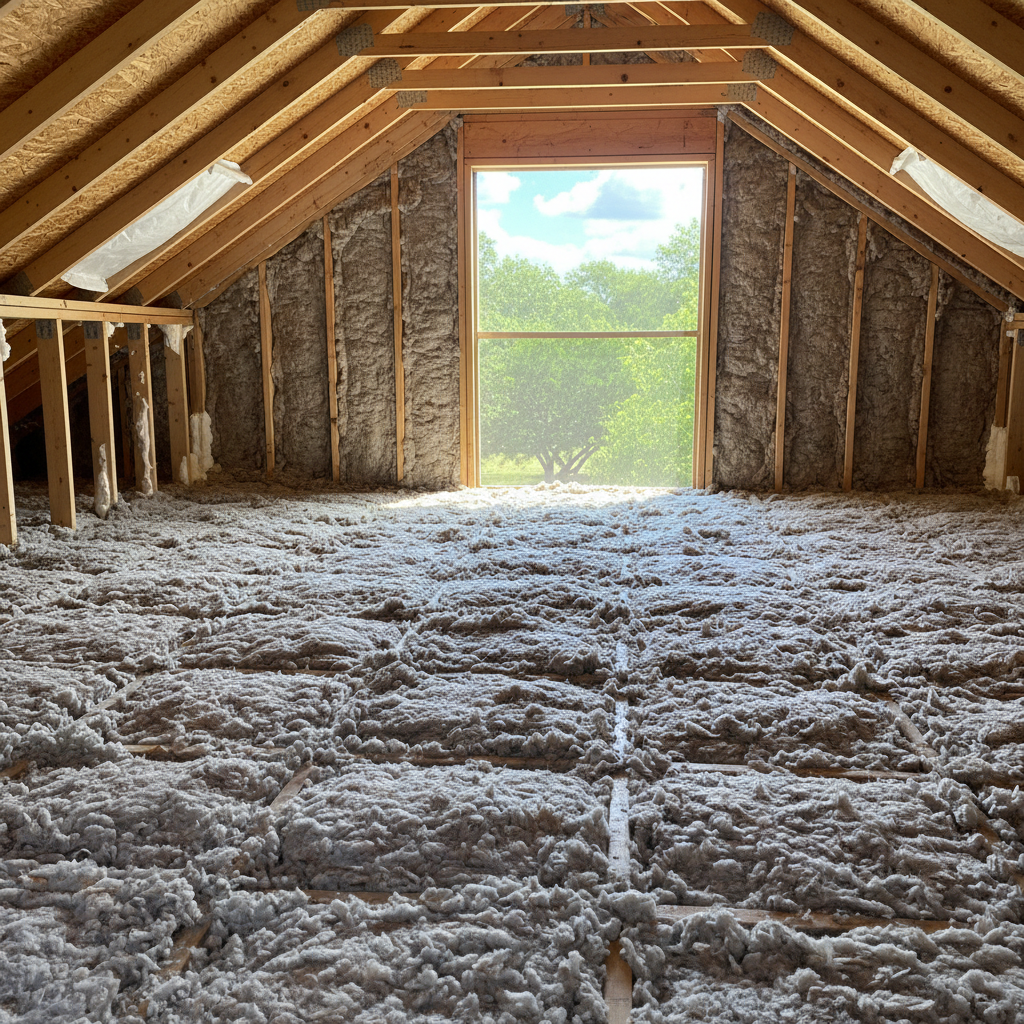
Alright, let's talk attic insulation. It's one of those home improvements that pays you back, big time, especially with our scorching summers and those chilly Hill Country winters. But I've seen my fair share of homeowners around New Braunfels make some real head-scratchers when they're planning or hiring for this kind of work. You don't want to be one of 'em, right? So let's go over the common mistakes and how to steer clear.
Mistake #1: Not Knowing What You Already Have (Or Don't Have)
This is a big one. You can't fix a problem if you don't even know what it is. A lot of folks just assume their attic insulation is 'fine' or 'old.' But 'old' doesn't really tell you much, does it? Is it compacted fiberglass? Is it loose-fill cellulose that's settled down to R-10? Is it riddled with rodent droppings? You need to get up there (or have someone like us do it) and actually look. Measure the depth. Figure out the material. Check for air leaks. Without this crucial step, you're just guessing, and guessing usually means spending money on the wrong solution.
Mistake #2: Focusing Only on R-Value
Now, R-value is important, don't get me wrong. It tells you how well a material resists heat flow. But it's not the whole story. You can pile R-60 worth of insulation in your attic, but if your attic isn't sealed up tight, you're still losing a ton of conditioned air right through gaps and cracks. We're talking around plumbing stacks, electrical penetrations, recessed lights, and the top plates of your interior walls. Air sealing before you add insulation is critical. It's like putting a warm blanket on a screen door – it won't do much good if the wind's still whistling through the gaps. Here in New Braunfels, with our older homes, especially those built before the 80s, air sealing is often the first thing we look at.
Mistake #3: Going for the Absolute Cheapest Bid
Look, I get it. Everyone wants to save a buck. But when it comes to something as important as your home's energy efficiency and comfort, the lowest price can often mean the biggest headache later. I've seen jobs where a contractor blew in insulation over existing, moldy stuff, or didn't bother to air seal, or used sub-par materials that settled quickly. You end up paying more to fix it down the road. Ask for references, check their reviews, and make sure they're properly insured. A good contractor, like us at Summit Insulation Inc, will walk you through the whole process and explain *why* they recommend what they do, not just give you a number.
Mistake #4: Not Considering Ventilation
This is often overlooked. Your attic needs to breathe. Proper ventilation helps remove heat and moisture, which protects your roof, prevents mold, and makes your insulation more effective. If you just pile on more insulation without thinking about how air moves (or doesn't move) through your attic, you could be setting yourself up for problems. Especially with our humid Texas climate, moisture buildup can be a real issue. Make sure your soffit and ridge vents aren't blocked by insulation.
Mistake #5: Thinking All Insulation is the Same
It's not. You've got fiberglass batts, loose-fill fiberglass, cellulose, open-cell spray foam, closed-cell spray foam – and they all have different properties, R-values per inch, and best uses. Some are better for sound dampening, some for air sealing, some for moisture resistance. Don't just tell a contractor